
Check-in, triage, and storytelling
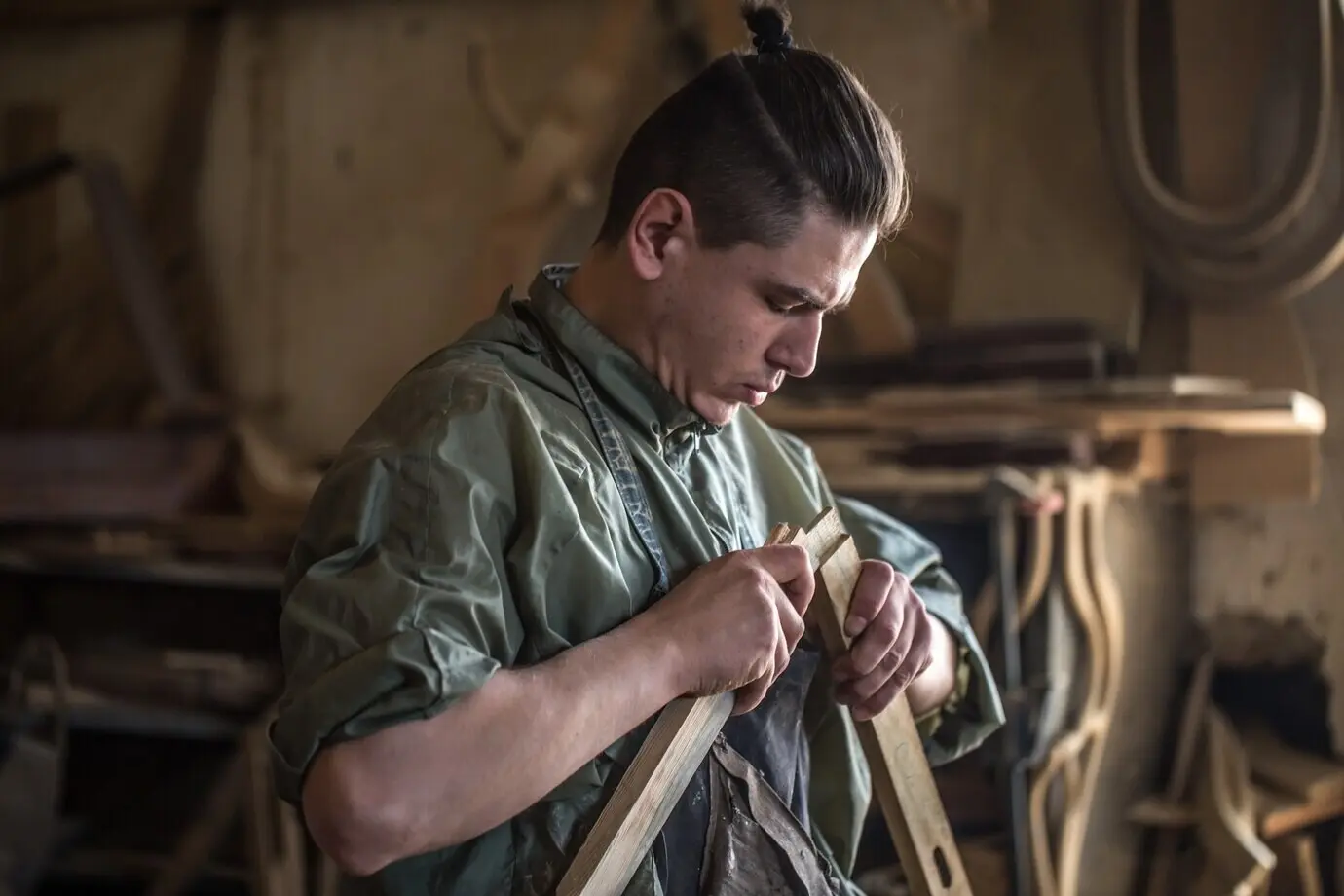
Welcome guests warmly, collect first names, and ask the object’s story. A quick triage station sorts easy fixes from complex challenges, matching skills and tools. While glue cures, invite photos and short reflections that honor effort, capture tips, and encourage future participation or volunteering.
Safety station that invites respect
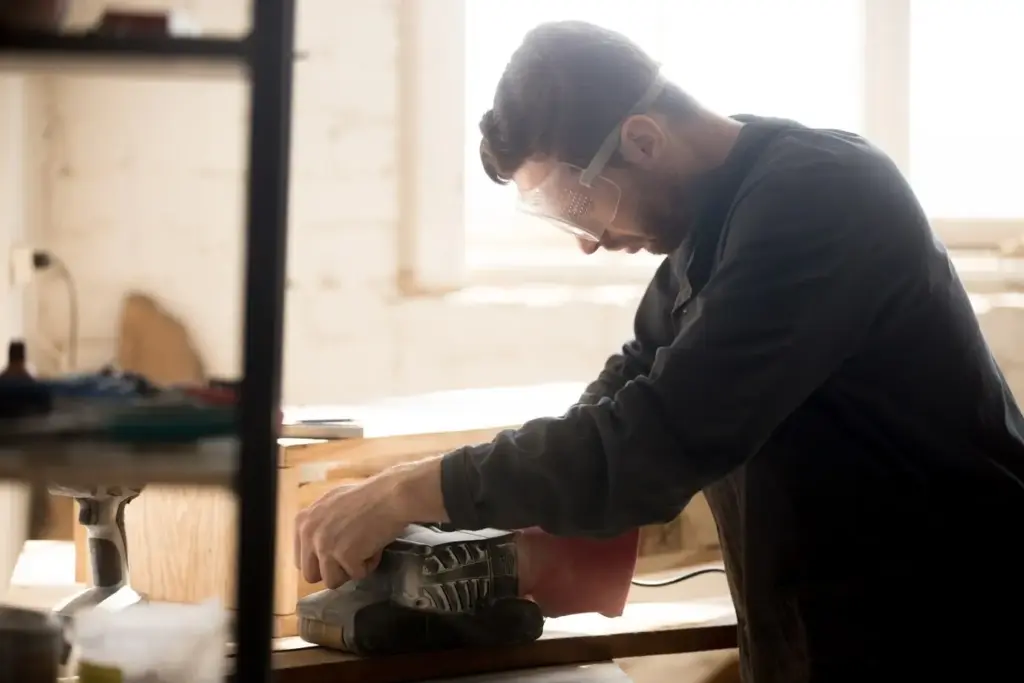
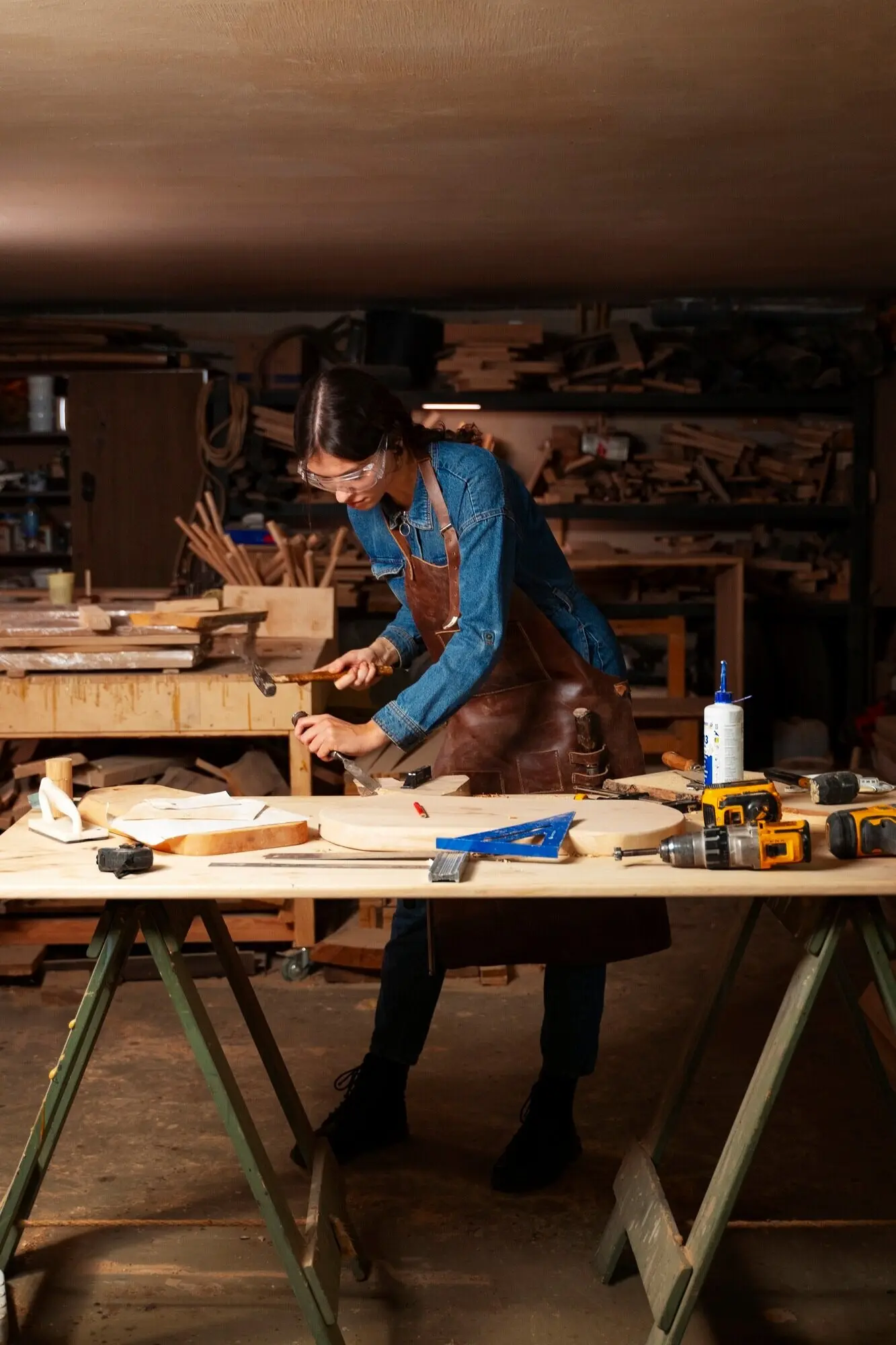
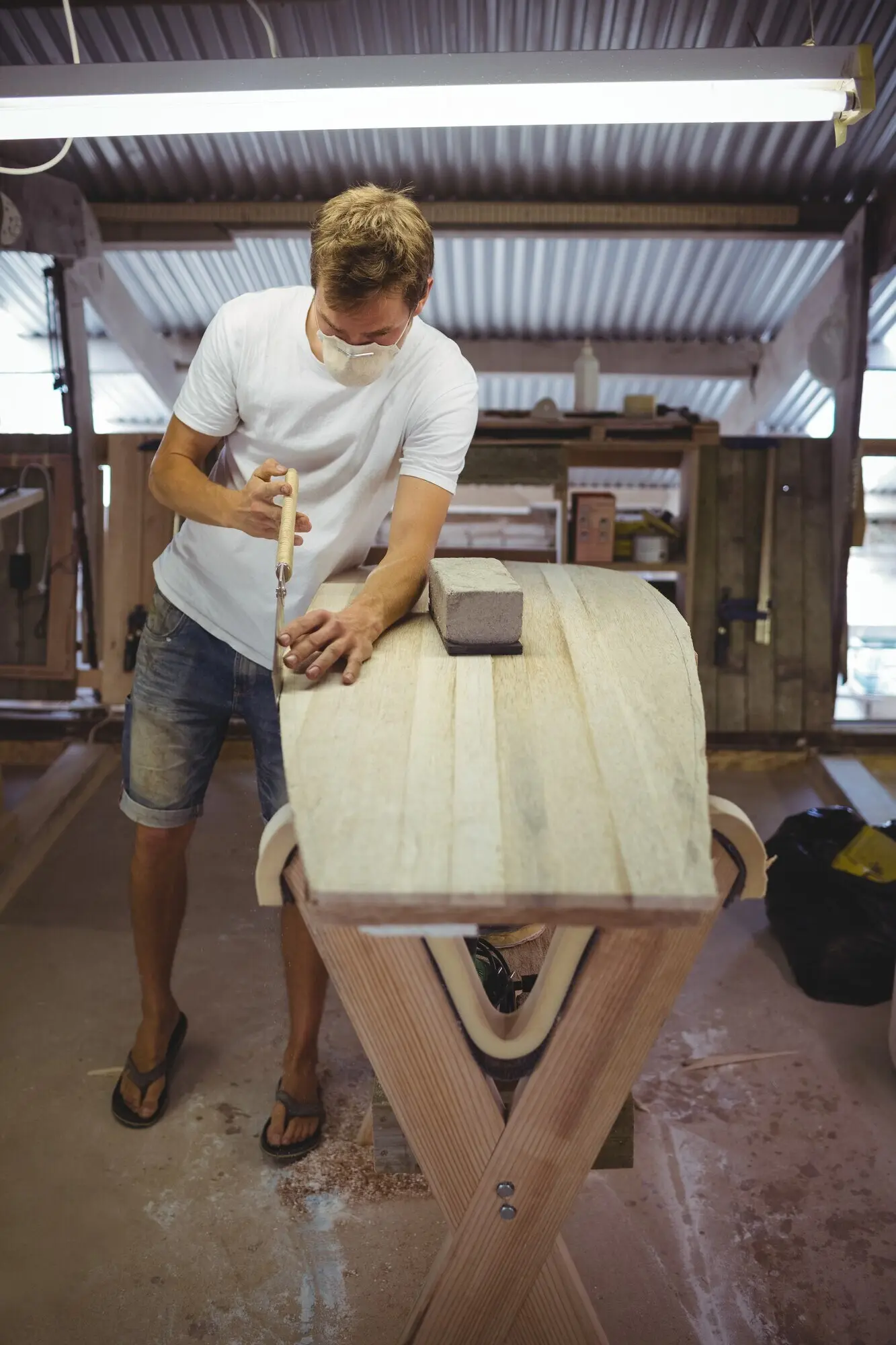
Place eye protection, ear protection, gloves, first-aid supplies, and a spill kit in a bright, obvious spot. Demonstrate proper clamp placement and blade storage. Use a friendly safety briefing at appointed times, and let anyone call “tools down” if something feels risky.
Kid and newcomer friendly zones
Create a quieter table with soft tasks like sanding, tightening knobs, applying pads, or polishing. Provide illustrated cards and color-coded bins. Celebrate small wins with stickers or stamps, keeping attention joyful while adults tackle trickier joinery, finishes, or hardware replacements nearby under guidance.
From wobble diagnosis to sturdy joinery
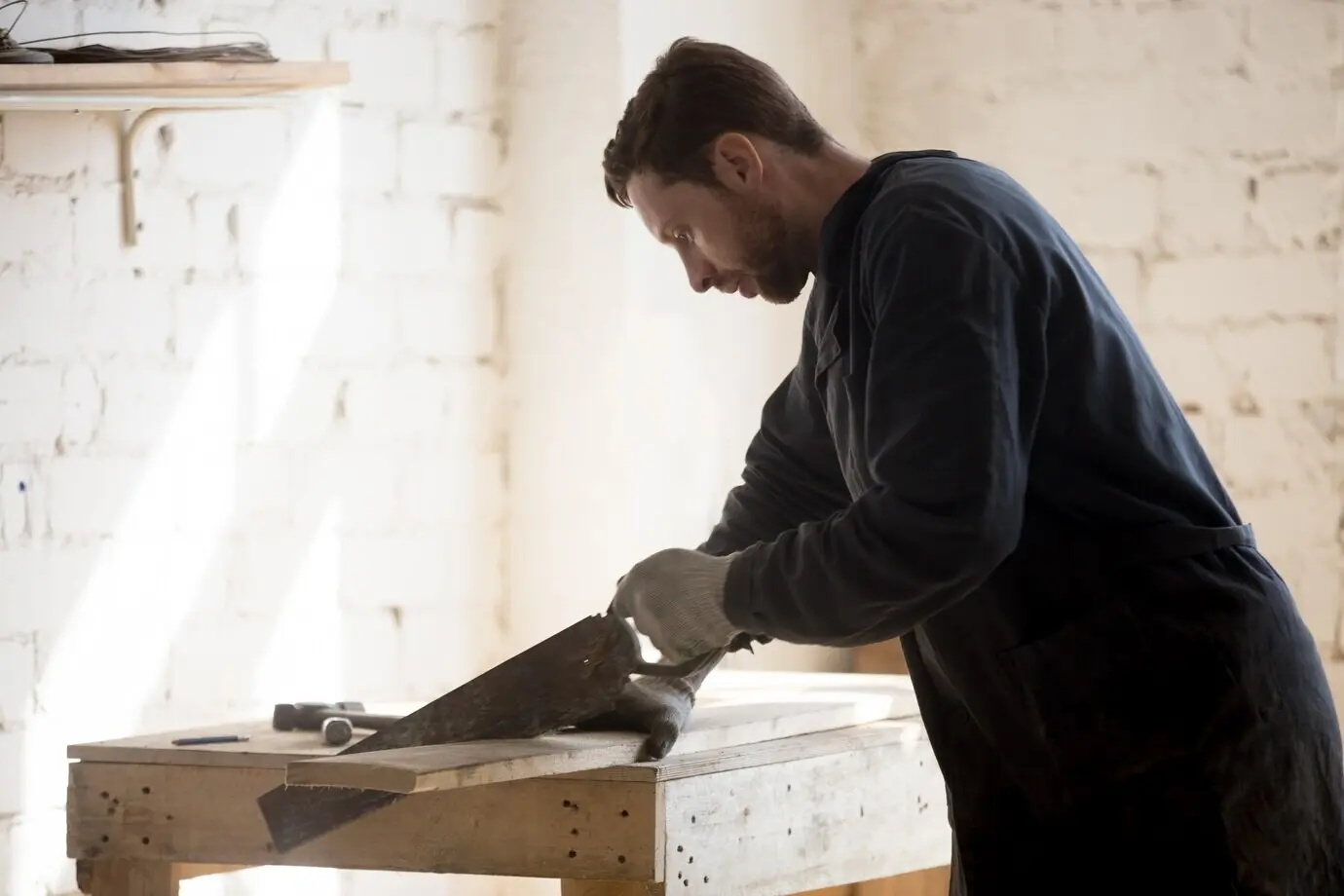
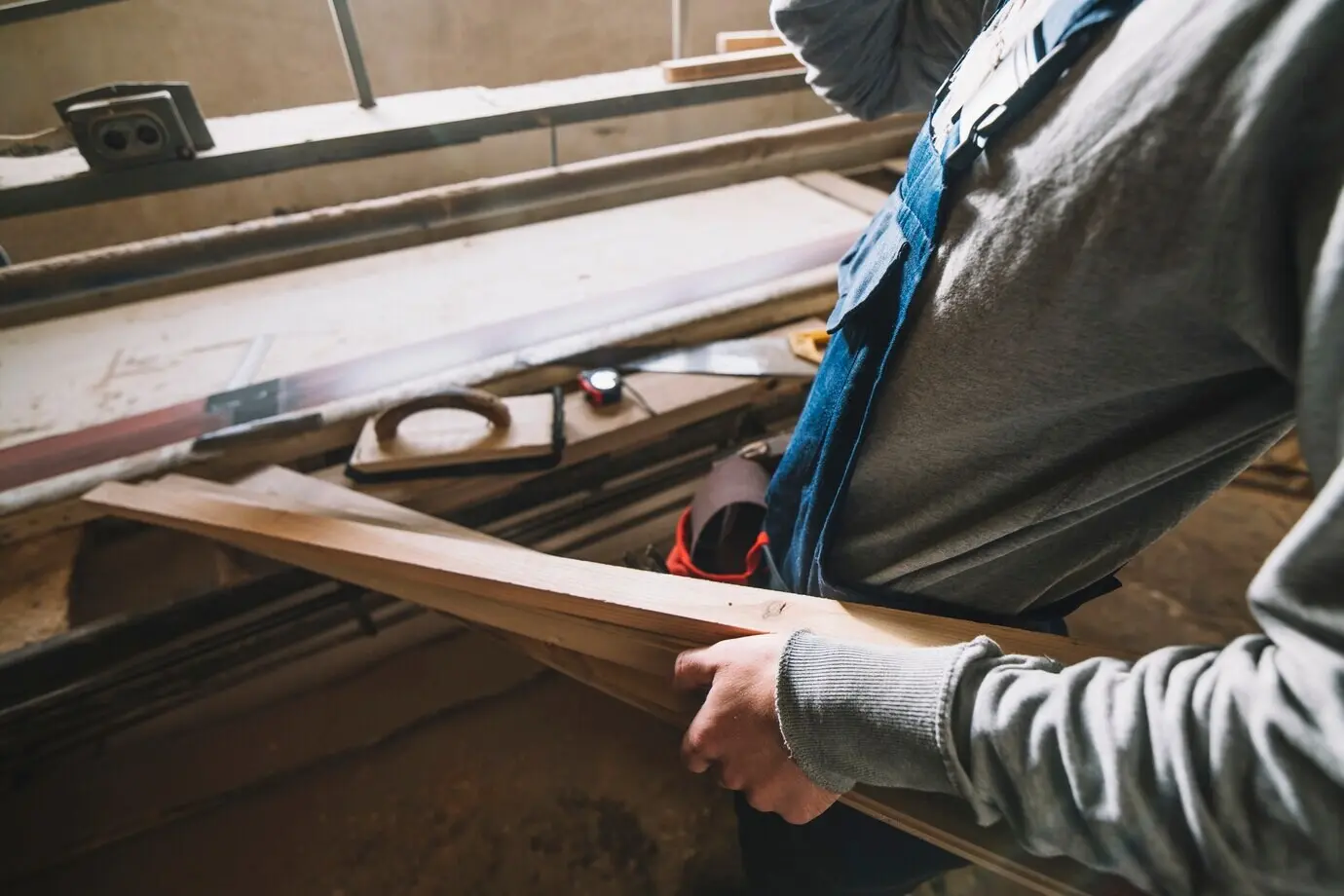
Teach inspection: check racking, test each leg, examine joints and fasteners, then plan. Demonstrate dowel repairs, corner brackets, and pocket screws alongside traditional glues and clamps. Practice dry fits before glue, and note wood movement so seasonal changes do not undo today’s careful effort.
Mentors, micro-lessons, and learning badges
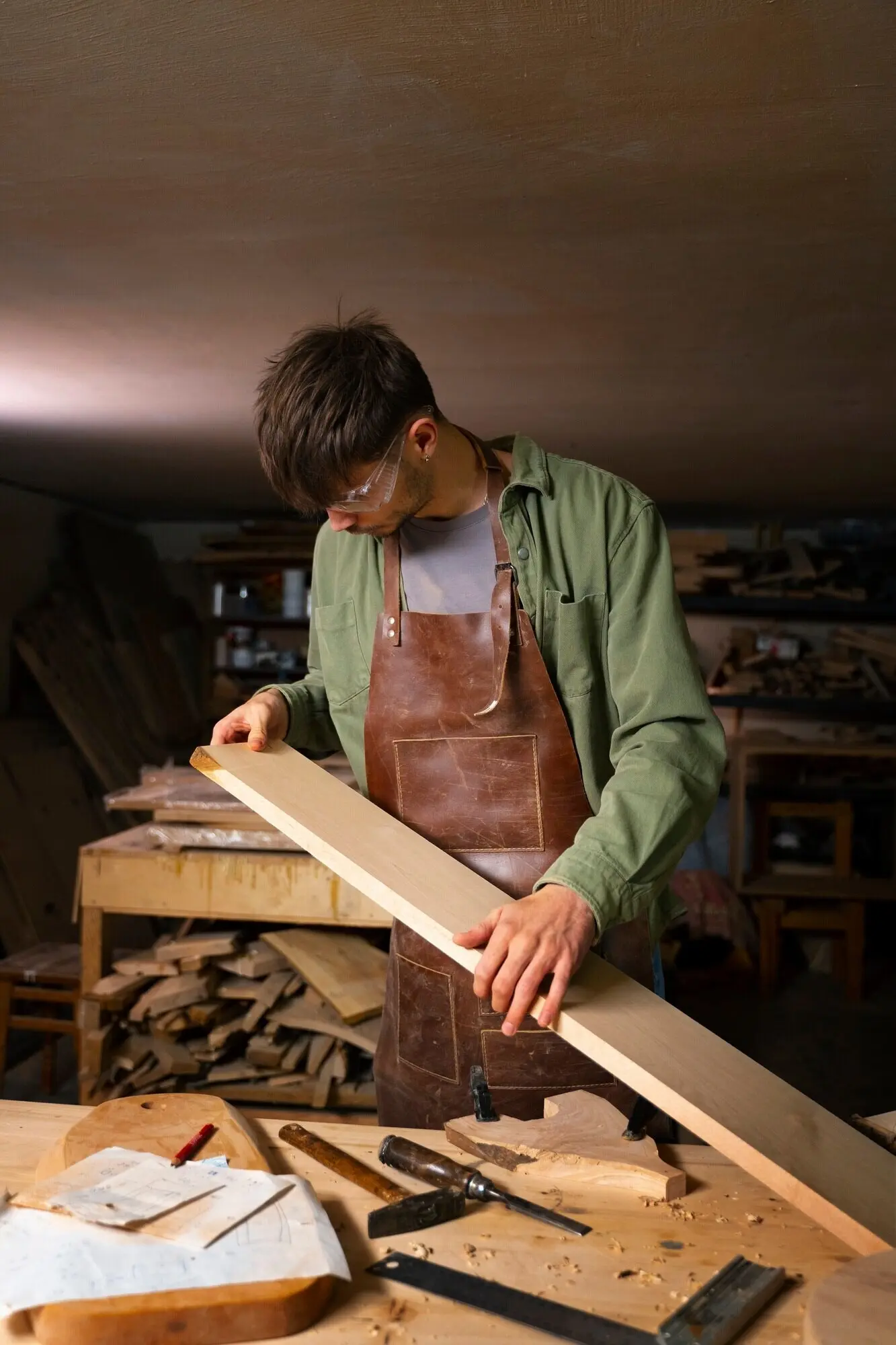
Rotate experienced fixers through short, five-minute micro-lessons on clamps, drill bits, finishes, and measuring. Invite learners to coach newcomers on their next visit. Offer playful badges or stamps that mark milestones, reinforcing growth while creating visible pathways from curiosity to confident community leadership.
Documenting fixes with photos and zines
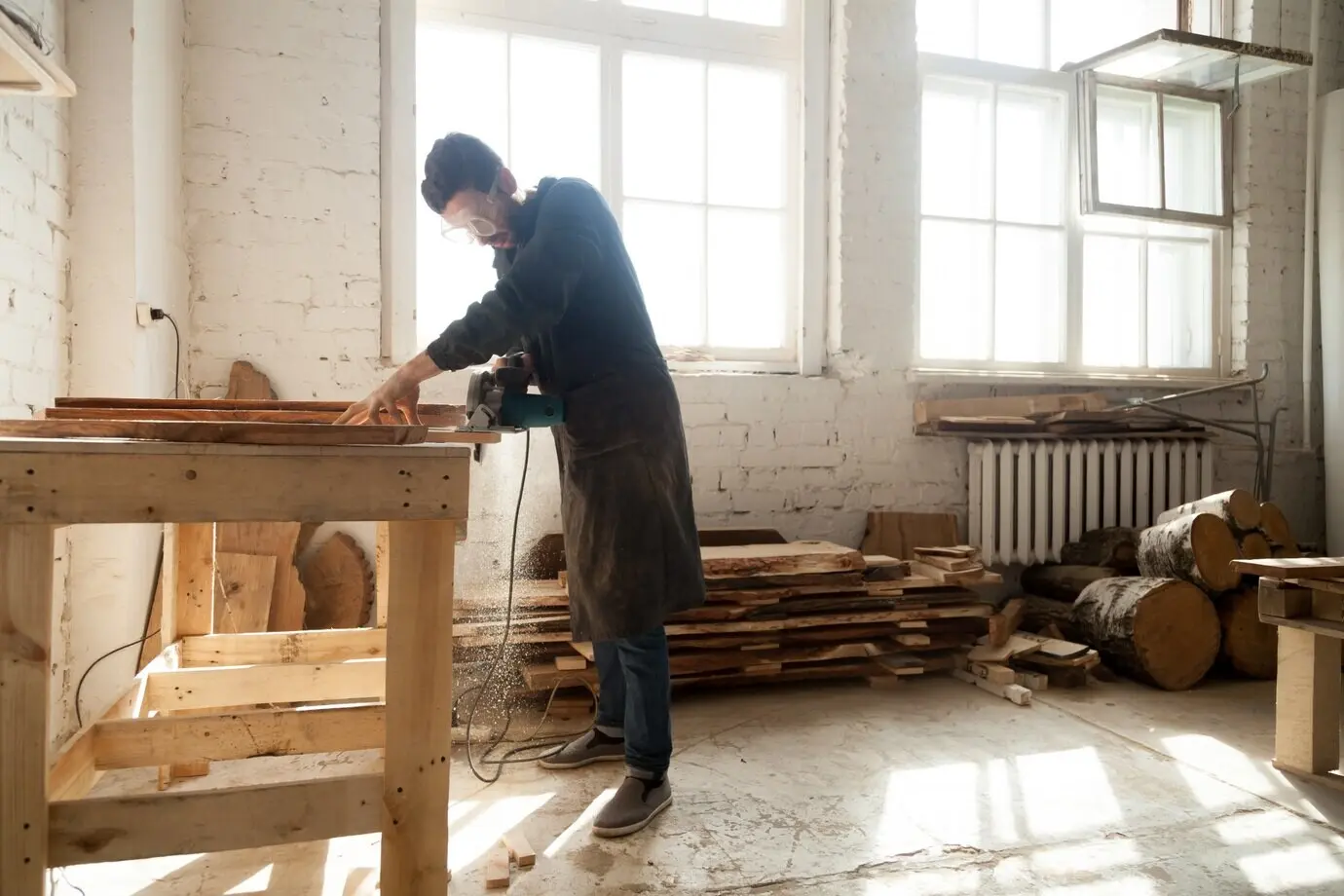
Capture before-and-after shots, materials lists, and timing. Compile micro-guides into printable zines and accessible online posts for the tool library catalog. People love revisiting their achievements, and documentation helps others replicate success, improve safety, and contribute edits that keep knowledge current.