

Fix It Together: Community Repair Cafés and Shared Tool Libraries

Today we dive into organizing community repair cafés and tool libraries for furniture maintenance, turning wobbly chairs and tired tables into sturdy companions again. Expect practical steps, warm stories, and repeatable templates that bring neighbors together, reduce waste, and grow skills you’ll proudly share. We’ll cover recruiting volunteers, managing tools responsibly, designing a welcoming flow, and inviting people to return. Bring your questions and your squeaky hinges; by the end, you’ll feel ready to host your first fix-it gathering.

Why Neighbors Repair Better Than Landfills

Repair cafés and tool libraries turn throwaway moments into shared victories, especially with furniture that holds memories and heavy use. By extending the life of chairs, tables, dressers, and shelves, communities save money, cut landfill waste, and swap isolation for neighborly conversation and practical pride.

Laying the Groundwork: People, Place, and Purpose

Start small and intentional. Map neighborhood needs, ask librarians and custodians for insights, and survey what furniture problems people actually face. Choose a comfortable, accessible venue with tables, power, and ventilation. Define roles, dates, and simple guidelines so everyone arrives confident and leaves energized to return.

Finding a welcoming venue

Community centers, libraries, churches, maker spaces, and school cafeterias often welcome civic projects when approached respectfully. Bring a short plan, sample waiver, and proposed dates. Offer to leave the space cleaner than you found it, share photos afterward, and acknowledge the host generously in all communications.

Volunteer roles that prevent burnout

Clear roles keep energy positive. Greeter, fixer, tool librarian, safety lead, storyteller, photographer, and data tracker each matter. Rotate duties, limit session length, provide snacks, and debrief quickly. A simple timetable and backup plan ensure no one is stranded if a key volunteer gets sick.

Insurance, waivers, and simple safety rules

Ask hosts what coverage exists and add a well-worded waiver that emphasizes shared responsibility and learning. Use clear signage about personal protective equipment, pinch points, and child supervision. Keep a comfort-first policy: anyone may stop a repair if safety feels uncertain, without debate or embarrassment.

Tools That Matter and How to Share Them Wisely

A good tool library makes responsible sharing easy and joyful. Build an essential kit for common furniture fixes, label everything, and track usage lightly. Combine open hours with repair events, and keep policies friendly, transparent, and fair so people feel welcome borrowing and returning proudly.

Essential kit for furniture fixes

For sturdy basics, gather screwdrivers, hex keys, clamps, wood glue, sandpaper, chisels, a small hand saw, measuring tape, power drill with bits, countersink, dowel centers, felt pads, furniture sliders, and finishing oils. Add specialty tools gradually as real needs appear during events and loan periods.

Inventory, tracking, and return habits

Use simple spreadsheets, barcode stickers, or an open-source library system to track checkouts. Set polite default loan periods and reminders. Encourage borrowers to clean and test tools before returning, and invite them to jot one learning tip, improving documentation while reinforcing respectful community habits.

Maintenance rituals for the tools themselves

Schedule monthly TLC sessions where volunteers sharpen chisels, replace frayed cords, lubricate hinges, and check batteries. Assign tool stewards who adopt small collections and notice wear early. Post quick guides near chargers and clamps so care happens naturally, not only when something finally breaks.

Designing a Smooth Repair Café Flow

Thoughtful flow turns chaos into calm progress. From check-in to parting photos, design each step so guests feel guided, safe, and celebrated. Clear stations, name tags, and patient pacing reduce noise and stress, allowing deeper learning, better repairs, and happy stories people want to repeat.

Check-in, triage, and storytelling

Welcome guests warmly, collect first names, and ask the object’s story. A quick triage station sorts easy fixes from complex challenges, matching skills and tools. While glue cures, invite photos and short reflections that honor effort, capture tips, and encourage future participation or volunteering.
Safety station that invites respect

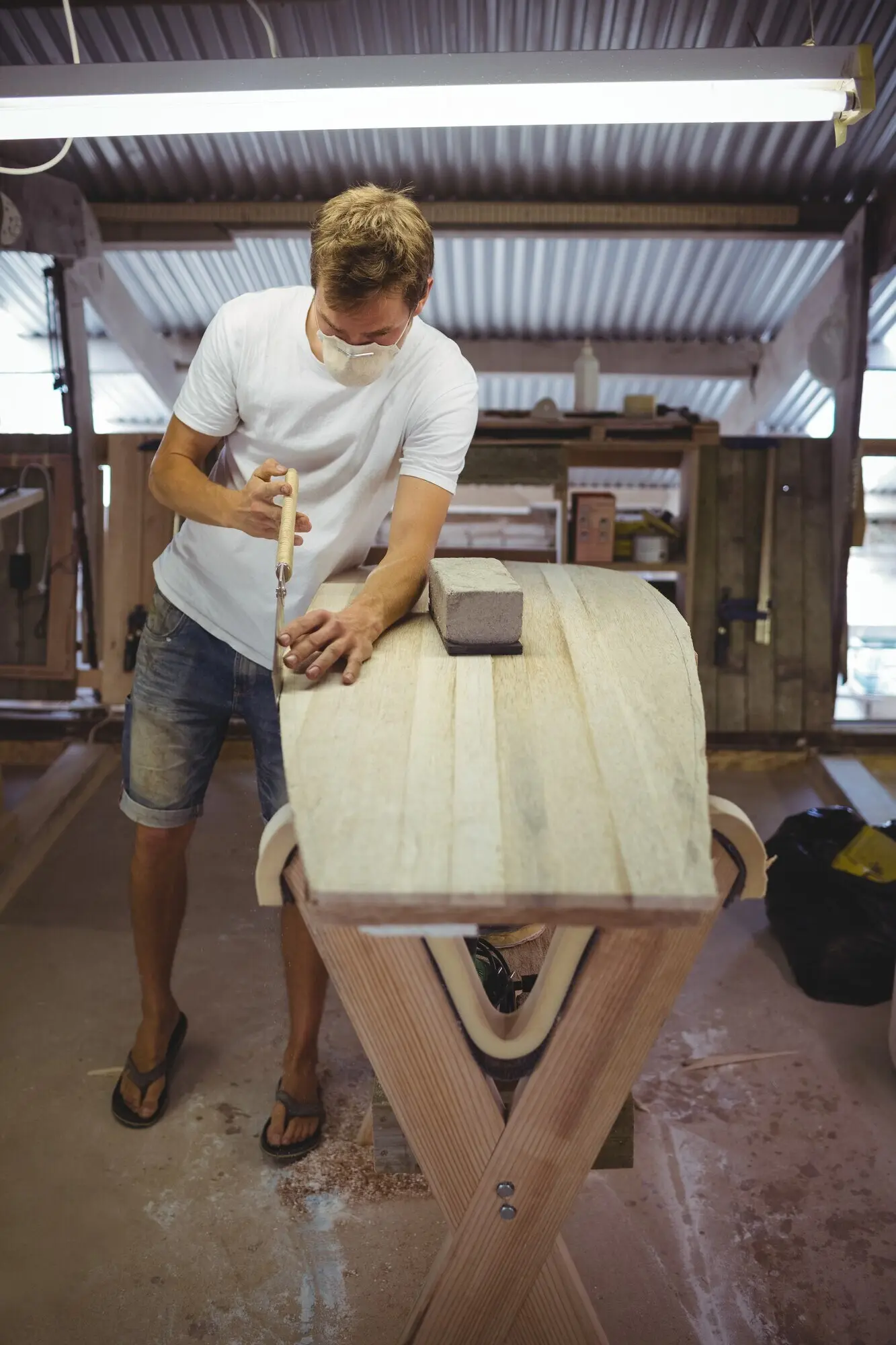
Place eye protection, ear protection, gloves, first-aid supplies, and a spill kit in a bright, obvious spot. Demonstrate proper clamp placement and blade storage. Use a friendly safety briefing at appointed times, and let anyone call “tools down” if something feels risky.
Kid and newcomer friendly zones

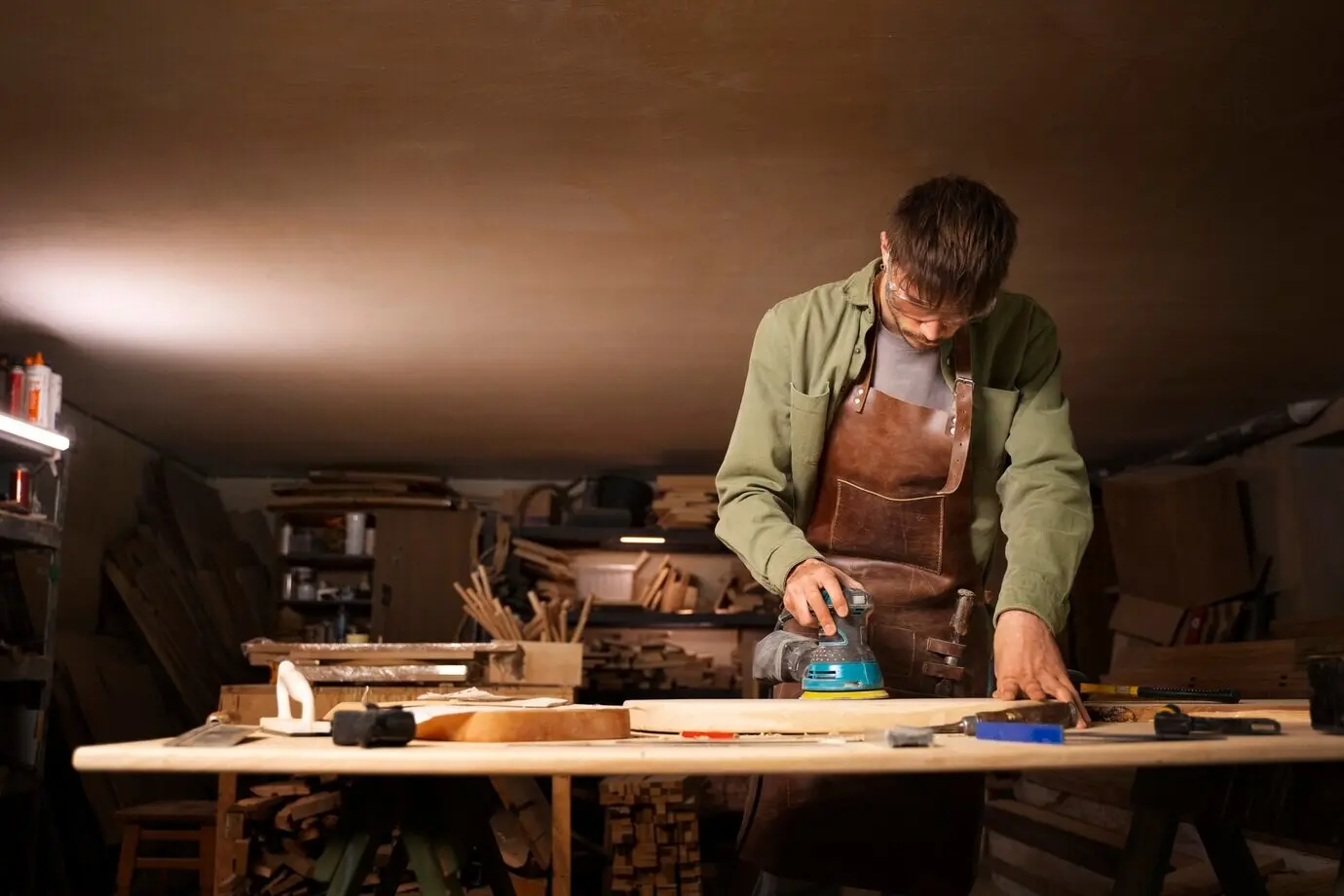
Create a quieter table with soft tasks like sanding, tightening knobs, applying pads, or polishing. Provide illustrated cards and color-coded bins. Celebrate small wins with stickers or stamps, keeping attention joyful while adults tackle trickier joinery, finishes, or hardware replacements nearby under guidance.
Teaching Skills that Stick

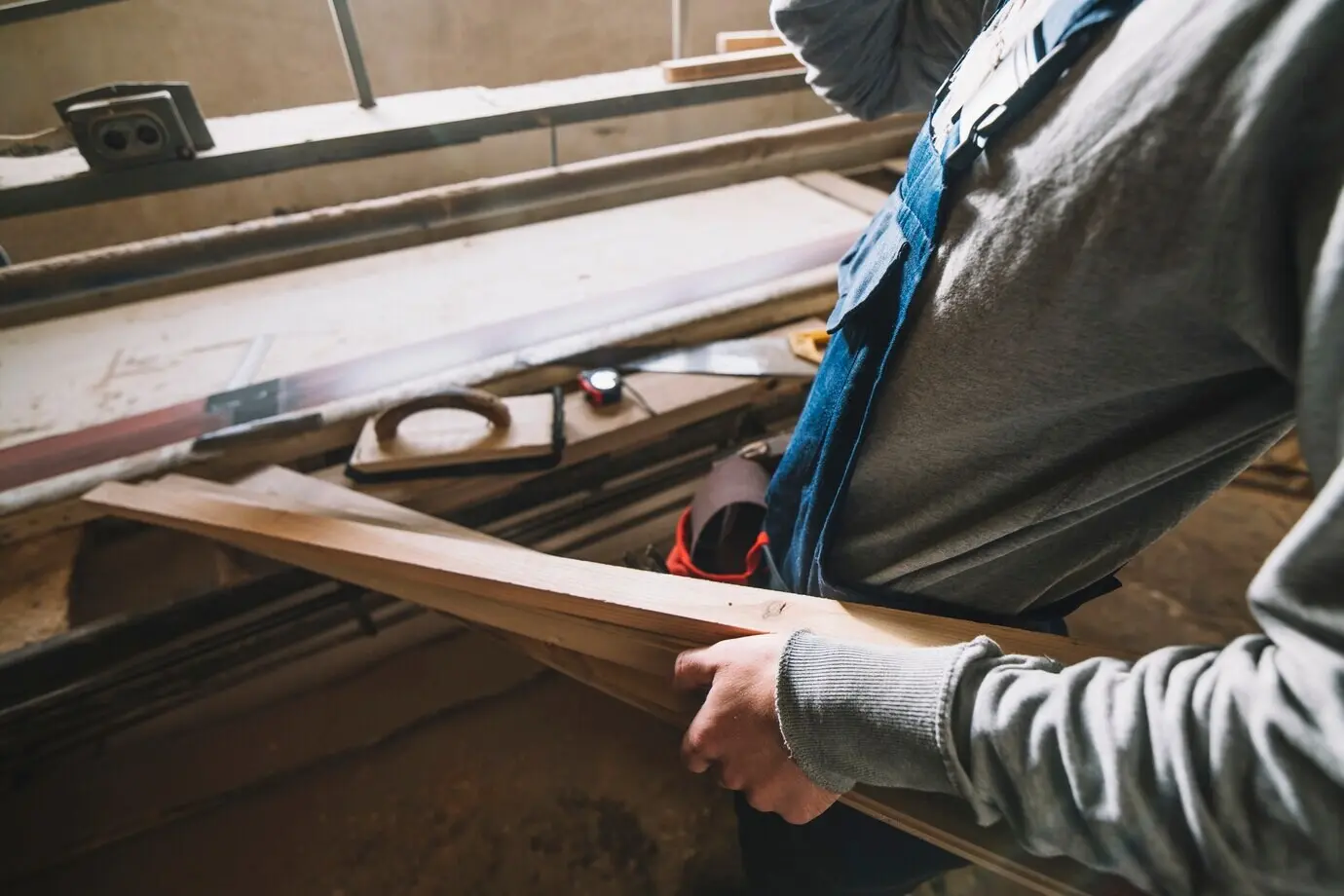
Skills stick when learning feels social, practical, and achievable. Break complex furniture repairs into tiny wins, celebrate progress, and keep language jargon-light. Share knowledge in multiple formats so people with different abilities and schedules still participate fully and proudly carry skills into everyday life.

From wobble diagnosis to sturdy joinery

Teach inspection: check racking, test each leg, examine joints and fasteners, then plan. Demonstrate dowel repairs, corner brackets, and pocket screws alongside traditional glues and clamps. Practice dry fits before glue, and note wood movement so seasonal changes do not undo today’s careful effort.

Mentors, micro-lessons, and learning badges

Rotate experienced fixers through short, five-minute micro-lessons on clamps, drill bits, finishes, and measuring. Invite learners to coach newcomers on their next visit. Offer playful badges or stamps that mark milestones, reinforcing growth while creating visible pathways from curiosity to confident community leadership.
Documenting fixes with photos and zines

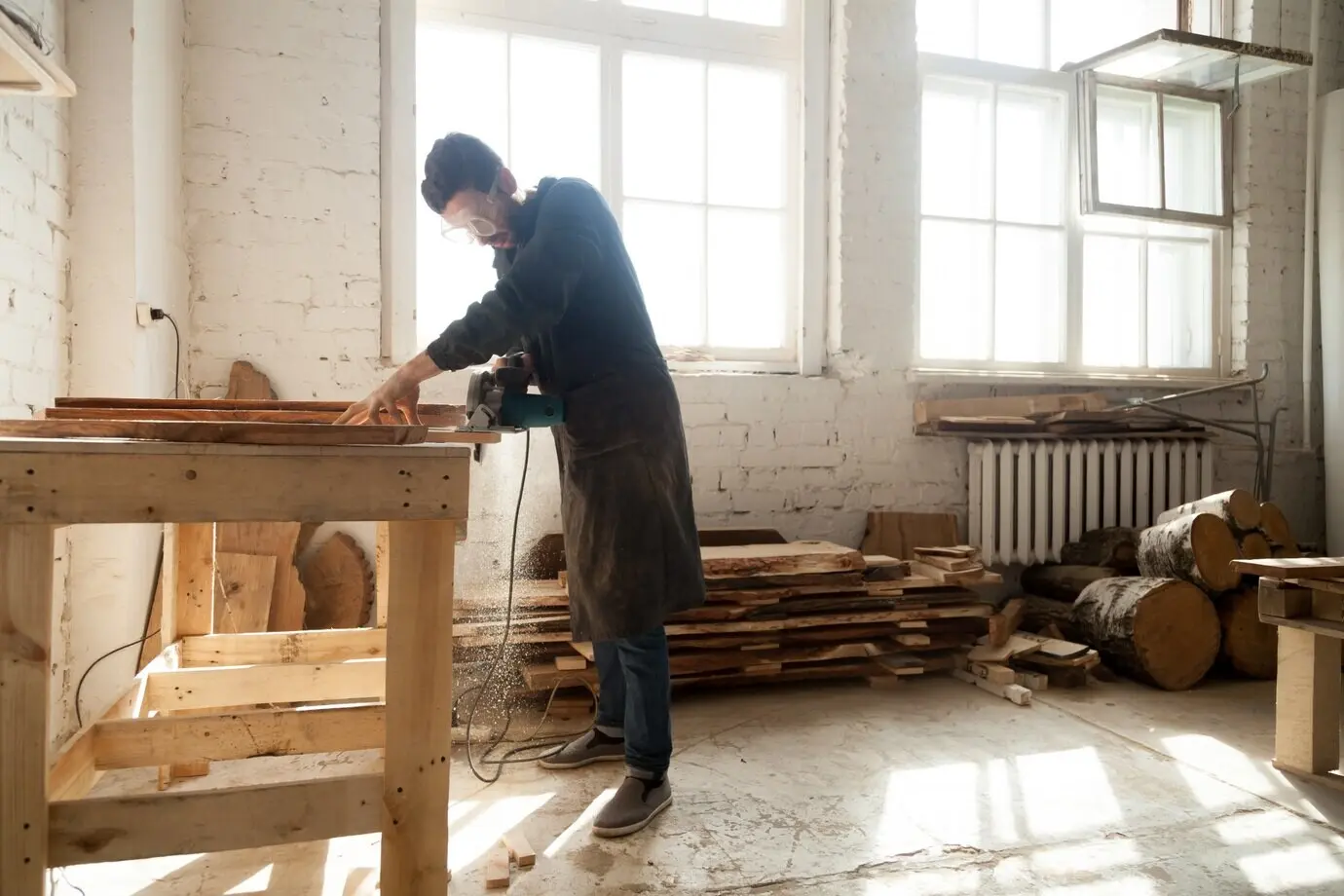
Capture before-and-after shots, materials lists, and timing. Compile micro-guides into printable zines and accessible online posts for the tool library catalog. People love revisiting their achievements, and documentation helps others replicate success, improve safety, and contribute edits that keep knowledge current.

Outreach, Funding, and Visible Impact

Momentum grows when stories travel, resources are steady, and progress is visible. Blend hyperlocal outreach with supportive partnerships and simple metrics. Invite donations without pressure, apply for grants thoughtfully, and report impact so neighbors, funders, and officials see community ingenuity delivering practical climate and cost solutions.
Romalapelatule
Privacy Overview

This website uses cookies so that we can provide you with the best user experience possible. Cookie information is stored in your browser and performs functions such as recognising you when you return to our website and helping our team to understand which sections of the website you find most interesting and useful.